
In the glittering but often ruthless world of Hollywood, few stories capture the stark contrast between fame’s promise and its hidden costs quite like that of Bryshere Gray. Best known for his breakout role as the talented yet troubled Hakeem Lyon on the hit series Empire, Gray seemed destined for superstardom. His charisma, musical talent, and raw acting ability made him a standout. Yet, just years after the show’s peak, his life took a dramatic turn marked by personal struggles, legal battles, and persistent rumors of exploitation. Now, after remaining largely silent for six years, Gray is speaking out in ways that are sending shockwaves through the industry and forcing many to reconsider what they know about one of Hollywood’s most talked-about power couples: Will and Jada Pinkett Smith.
The conversation around Bryshere Gray gained fresh intensity recently during a candid TikTok Live session alongside collaborator Dustin Chosen Wilkins. In the stream, Gray alluded to painful experiences without naming names directly, but the implications were unmistakable. He spoke of waking up to serious allegations, the weight of celebrity baggage, and behaviors rooted in deeper issues. “You know that Will R worded me,” he referenced in conversation, along with mentions of other figures like Charlie Mack and even broader industry dynamics. These weren’t casual remarks. They echoed long-circulating whispers that many had dismissed as mere gossip until now.
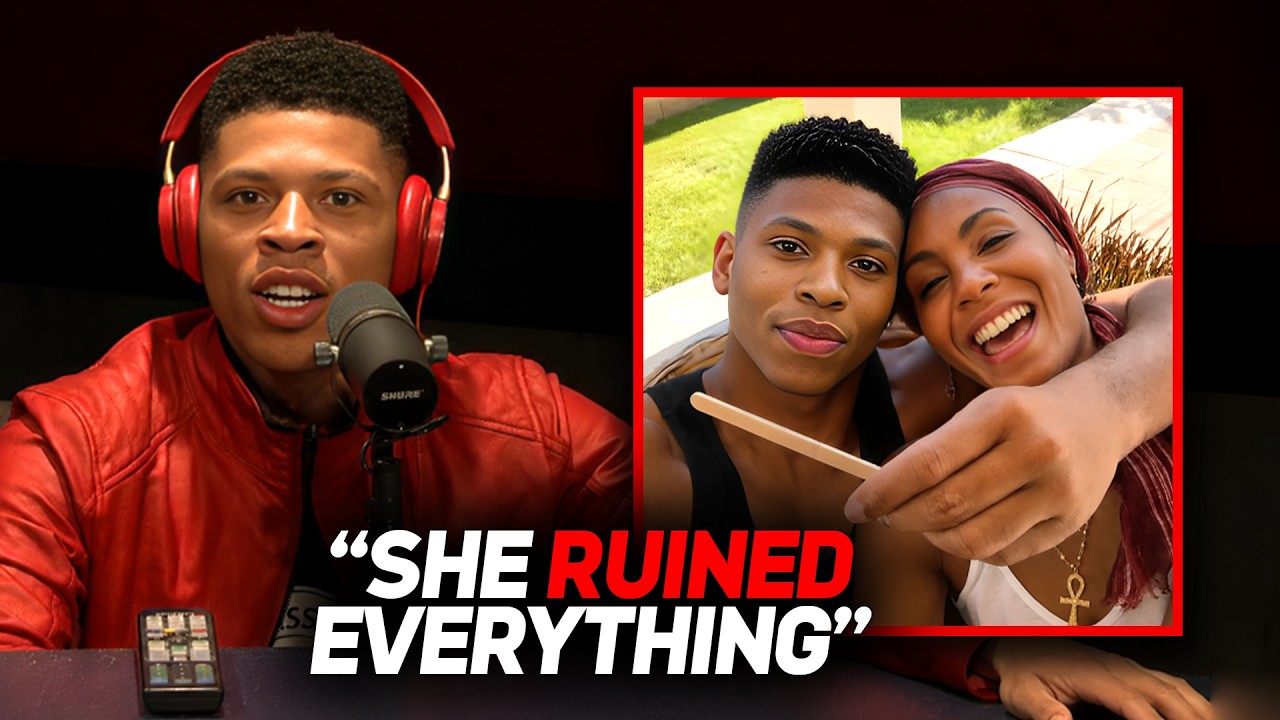
At the heart of the discussion lies Gray’s early connection to the Smith family. Will Smith, who had taken on a mentoring role, reportedly introduced the young actor to environments that mixed opportunity with excess. What began as guidance allegedly evolved into something far more complicated and damaging. Industry insiders and whistleblowers have claimed that these interactions involved substance-filled gatherings that left lasting scars. Gray has openly acknowledged battling addictions in his younger years, describing them not just as chemical dependencies but as tied to underlying behavioral patterns and emotional voids that fame only amplified.
His career trajectory tells a compelling story of rise and fall. Empire catapulted him into the spotlight, with fans worldwide celebrating his performances. Yet shortly after the series concluded, opportunities dried up. Legal troubles mounted, including a high-profile 2020 arrest involving domestic allegations that led to a dramatic SWAT standoff. More recent incidents, such as the 2025 misdemeanor case in Virginia involving Wilkins (charges that were later dropped), painted a picture of a man in ongoing turmoil. Friends and supporters, however, emphasize that Gray is not inherently a “bad person” but someone grappling with significant mental health challenges stemming from traumatic events.
Jaguar Wright, a vocal industry commentator known for her unfiltered revelations, has added layers to this narrative. She has alleged that Gray’s own mother may have been complicit in allowing inappropriate situations in exchange for financial gain. Wright also claimed possession of a tape showing Gray and Meek Mill leaving the Smith residence after an alleged intense gathering. While these assertions remain unverified in court, they have fueled public speculation and calls for deeper investigation. Wright’s fiery commentary has pulled in additional names and contexts, suggesting a broader pattern within certain elite circles.

The Smiths’ personal dynamics have long intrigued the public, particularly following Jada’s 2020 admission of an “entanglement” with singer August Alsina. Alsina, who was dealing with serious health complications including a genetic liver condition that left him hospitalized and vulnerable, described receiving Will’s supposed blessing for the relationship. Many viewed this as a sign of an unconventional marriage, but critics saw potential exploitation of someone at their lowest point. Similar concerns have surfaced regarding other younger men in their orbit, with questions about power imbalances and consent.
Bryshere Gray’s story fits into a larger tapestry of allegations. From lawsuits involving other figures like violinist Brian King Joseph, who accused Will Smith of predatory behavior and creating unsafe situations, to persistent rumors about the couple’s private life, the public is increasingly connecting dots. Gray himself has reportedly considered legal action, including a substantial lawsuit against multiple parties, though it reportedly never fully materialized in filings.
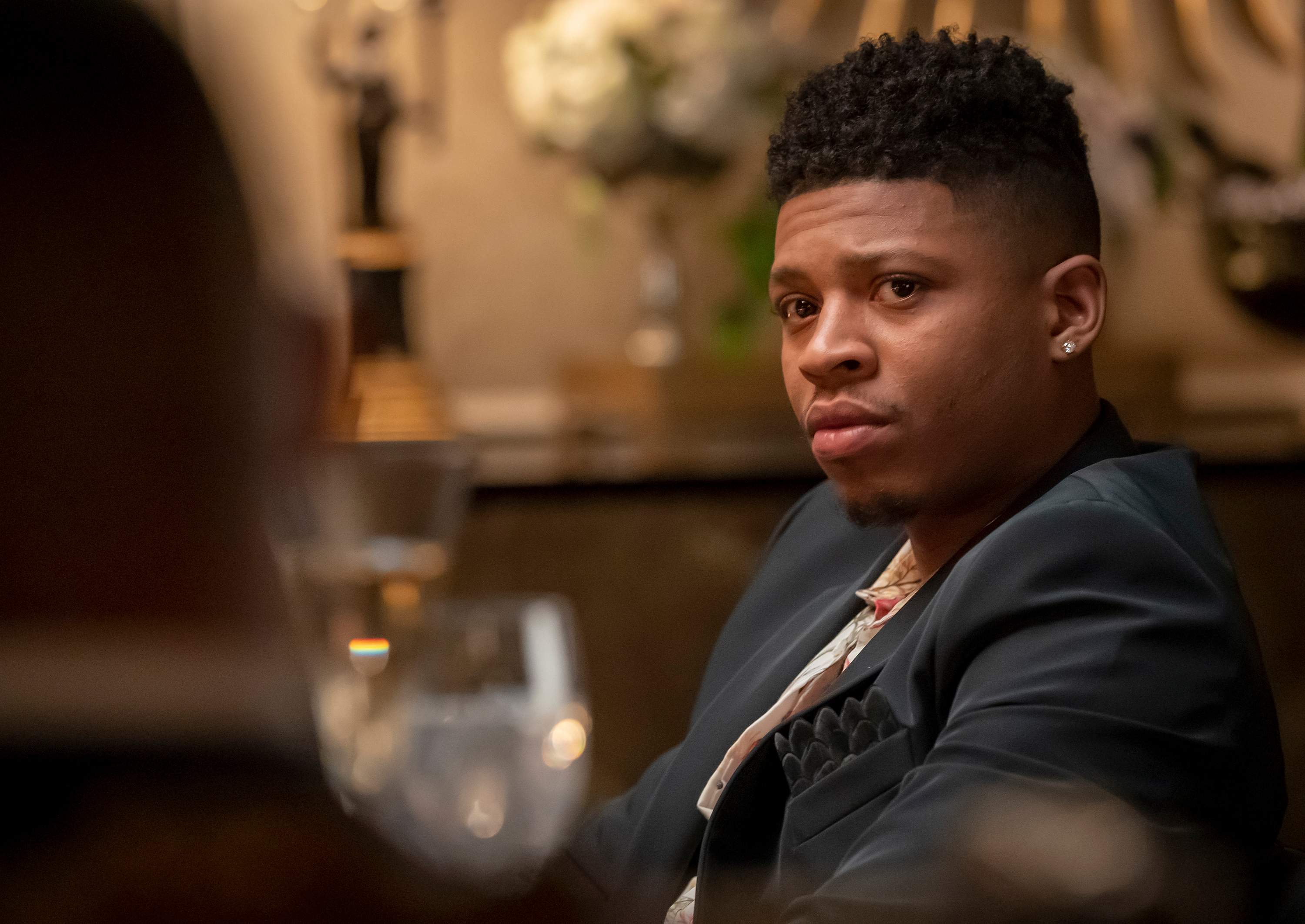
What makes Gray’s recent openness particularly poignant is his emphasis on mental health. He has described living outside “regular world space” and dealing with disorders that affect behavior and decision-making. Supporters highlight that despite everything, he maintains friendships and shows moments of clarity and resilience. His transition to OnlyFans, where he shares more personal content, is seen by some as survival in an industry that turned its back, while others view it as part of his ongoing journey.
The broader implications extend beyond individual stories. Hollywood has faced increasing scrutiny over how it treats young talent, especially from marginalized communities. Black actors like Gray often navigate additional pressures, where success can feel conditional on compromising personal boundaries. The allure of mentorship from established stars like Will Smith comes with enormous expectations and, allegedly in some cases, hidden costs.
Public reaction has been mixed but passionate. Some express deep sympathy for Gray, viewing him as a victim of systemic issues. Comments like “That poor kid, they ruined his life” and calls for him to pursue justice reflect widespread support. Others urge caution, noting that allegations require evidence and due process. Mental health advocates stress the importance of compassion regardless of the full details.

Gray’s path hasn’t been linear. From promising young actor to someone fighting to rebuild, his resilience shines through even in difficult moments. In the TikTok session, he touched on feeling misunderstood and the desire for people to see beyond the headlines. He referenced industry figures and situations that created confusion and distrust, underscoring how quickly narratives can spin out of control.
Connecting the threads, patterns emerge of vulnerability meeting opportunity in environments where boundaries blur. Jada’s openness about personal explorations, Will’s public image as a family man, and the realities of their private world create fertile ground for speculation. Yet at its core, this remains a human story about a young man whose dreams collided with harsh realities.
As Bryshere Gray continues sharing pieces of his truth, the conversation extends far beyond celebrity gossip. It touches on consent, power dynamics, recovery, and the true price of fame. Whether more formal accountability follows remains to be seen, but his willingness to speak marks a significant step. For fans who watched him grow up on screen, it’s a reminder that behind the lights and scripts are real people carrying heavy burdens.

The entertainment industry thrives on stories, but rarely do they hit this close to home. Bryshere Gray’s account challenges us to look deeper at the systems that elevate and then sometimes discard talent. It asks uncomfortable questions about trust, healing, and what true mentorship should look like. As more voices emerge and old rumors gain new context, one thing is clear: the full story is still unfolding, and its impact will resonate for years to come.
In sharing his experiences, Gray isn’t just reclaiming his narrative—he’s shining a light on issues that affect countless others who never reached the spotlight. His courage in addressing mental health, addiction, and alleged exploitation offers hope that conversations can lead to change. For now, the public watches, listens, and waits to see what chapter comes next in this complex Hollywood saga.