
In the late 1970s and early 1980s, before royal titles, glamorous gowns, and endless media attention transformed her future forever, Diana Spencer lived a life that felt remarkably ordinary. She shared a modest London apartment with friends, worried about work, laughed over simple dinners, and quietly searched for the emotional security she had long missed growing up.

At the time, few could have imagined that the soft-spoken kindergarten assistant would one day become the most photographed woman in the world.
Yet even then, there were already signs of the extraordinary compassion that would later define her legacy.
Friends from Diana’s early adulthood often remembered her not for privilege or aristocratic status, but for her warmth. She had a rare ability to make people feel seen, heard, and emotionally safe — whether comforting a friend after heartbreak or calming nervous children in the classroom where she worked.
As a nanny and kindergarten assistant, Diana reportedly connected with children almost instantly. Former colleagues recalled how naturally children trusted her. Rather than speaking down to them, Diana would kneel to their level, listen carefully to their fears, and comfort them with remarkable patience and tenderness.
It was never performative.
It was simply who she was.
Despite coming from one of Britain’s aristocratic families, Diana preferred simple pleasures over elite social circles. She loved cooking casual meals with roommates, wandering through London shops, listening to music, and dancing around the apartment after exhausting workdays.
But behind the laughter and youthful energy, there was also quiet loneliness.
The painful breakdown of her parents’ marriage during childhood deeply shaped Diana emotionally. Friends later said she often carried an underlying sadness and a constant fear of rejection or abandonment. She longed for closeness, reassurance, and genuine affection — things she sometimes struggled to fully find herself.

Perhaps because of that pain, Diana became extraordinarily sensitive to the emotions of others.
One little-known habit from those years perfectly captured her character.
Long before becoming Princess of Wales, Diana would often send handwritten letters and thoughtful notes to friends who were struggling emotionally. If someone felt lonely, heartbroken, or anxious, Diana instinctively reached out. Not because cameras were watching. Not because the public expected it.
But because compassion came naturally to her.
Those who knew her before fame frequently described her as funny, emotionally open, deeply caring — and surprisingly insecure. Diana worried constantly about disappointing people and often underestimated her own worth, even while bringing warmth and light into nearly every room she entered.
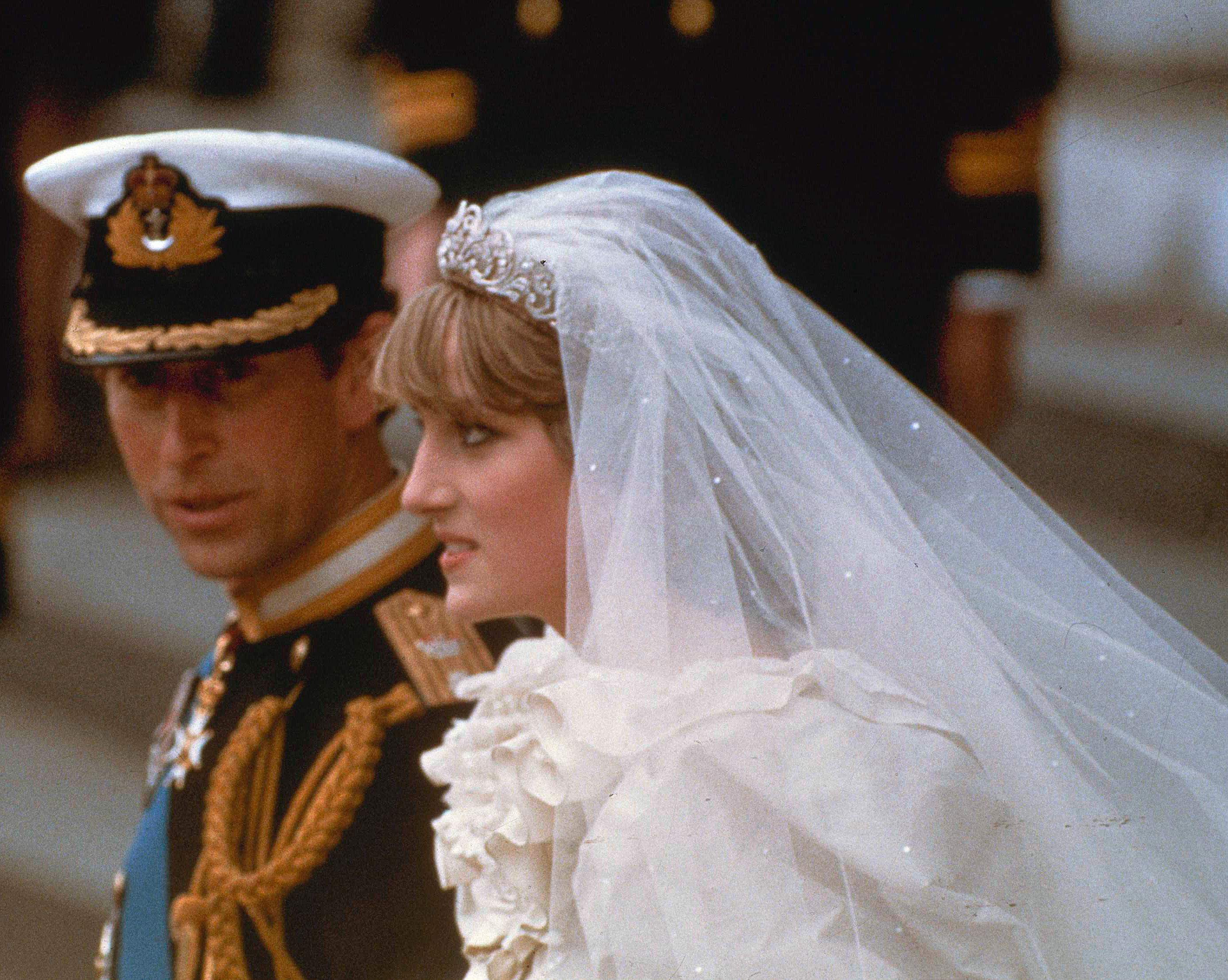
Looking back now, what feels most remarkable about young Diana is how deeply human she seemed.
Before becoming a global icon, she was simply a young woman navigating uncertainty, heartbreak, friendship, and hope like millions of others her age.
And perhaps that relatability became the true secret behind the world’s enduring connection to her story.
Because beneath every royal photograph, dazzling tiara, and historic moment stood someone whose kindness existed long before the fame ever arrived.
That humanity — fragile, compassionate, imperfect, and real — is what people never forgot about Diana.
And decades later, it remains the reason her memory still touches hearts around the world.