
As the Formula 1 circus rolls into Montreal, the atmosphere is thick with tension for Ferrari. This weekend’s Canadian Grand Prix at the Circuit Gilles Villeneuve is poised to be more than just another race; it’s a critical examination of the Scuderia’s entire operation. Team principal Frederic Vasseur’s remark that Montreal is never straightforward isn’t just a routine caution—it hints at a deeper, unsettling reality for the iconic Italian team.

Ferrari finds itself grappling with a series of interconnected issues that have raised eyebrows since the Miami Grand Prix. Suddenly, it feels like the spotlight is shining brighter than ever, illuminating vulnerabilities that could threaten the team’s very foundation. The first red flag emerged with the simulator, which has been delivering inconsistent data. In the high-stakes world of Formula 1, where every setup decision is crucial, such a mismatch can lead to catastrophic errors on race day.
As if that weren’t enough, the team’s front wing design has come under scrutiny. While rivals have been sharpening their aerodynamic concepts, Ferrari has seemingly lagged behind. The front wing is not merely about aesthetics; it significantly influences the car’s overall performance. A conservative layout, once thought to be a safe choice, has proven inadequate, particularly on a circuit as demanding as Montreal. The tight corners and challenging chicanes here could expose these aerodynamic shortcomings in a way that no other track can.
But perhaps the most crippling flaw lies within the power unit. Reports indicate that Ferrari’s hybrid system has been cutting assistance too early on the straights, causing the car to lose vital acceleration. This is particularly damaging in a sport where every millisecond counts. It’s a frustrating scenario for both the drivers and the team, as a vehicle that appears competitive off the corners falters just when it needs to maintain speed.
Montreal’s unforgiving layout is notorious for punishing mistakes. The final chicane, with its infamous Wall of Champions, has become a legendary spot where hesitation can lead to disaster. A driver’s confidence in their car’s handling is paramount, and Ferrari’s current aerodynamic setup has made that trust harder to establish. The team’s ability to generate speed in slower sections is a flicker of hope, but if the hybrid system continues to falter, that advantage could vanish in an instant.
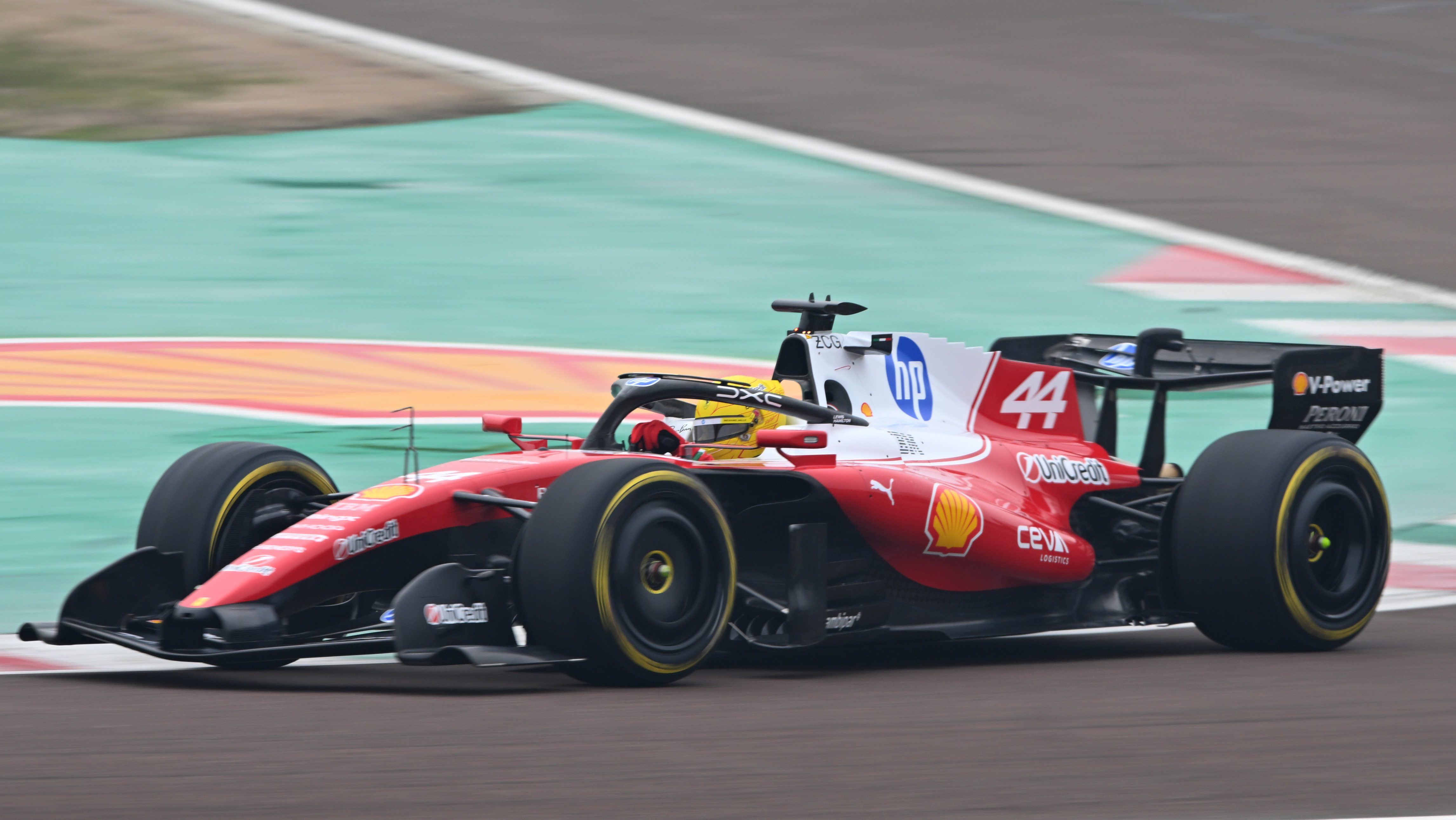
Vasseur has emphasized the importance of execution this weekend, and for good reason. With only one free practice session available, the team has minimal room to experiment or iron out issues. The stakes are elevated further by the possibility of low temperatures complicating tire management, potentially exacerbating the car’s existing sensitivities.
Hamilton’s presence within Ferrari has changed the dynamics in the garage. His vocal demands for a better simulator and a more aggressive development path reflect a need for a cultural shift. The team can no longer afford to rely solely on engineering judgment; they must act quickly and decisively. Hamilton’s insistence on truth and transparency is a clarion call for a new era in the Scuderia, one where driver feedback takes center stage in diagnosing problems.
The upcoming race weekend in Montreal is not just another entry on the calendar; it’s a litmus test for Ferrari’s technical direction and operational discipline. If the SF26 can deliver on its promises—maintaining speed down the straights and providing the front-end confidence needed to navigate the circuit’s treacherous corners—Ferrari may find a way to steady its season.
However, if the same issues plague the team, the repercussions could be severe. A poor performance could lead to heightened pressure on engineers, mounting frustration for Hamilton, and a more challenging path forward in the championship. In a season where every point counts, Montreal could be a pivotal moment for Ferrari—a chance to either reaffirm their ambitions or expose deeper, structural flaws in their development strategy.
As the teams gear up for the challenge ahead, all eyes will be on Ferrari. Will they rise to the occasion, or will Montreal reveal the cracks that threaten to widen? The world waits with bated breath as the Scuderia steps into the spotlight once more.