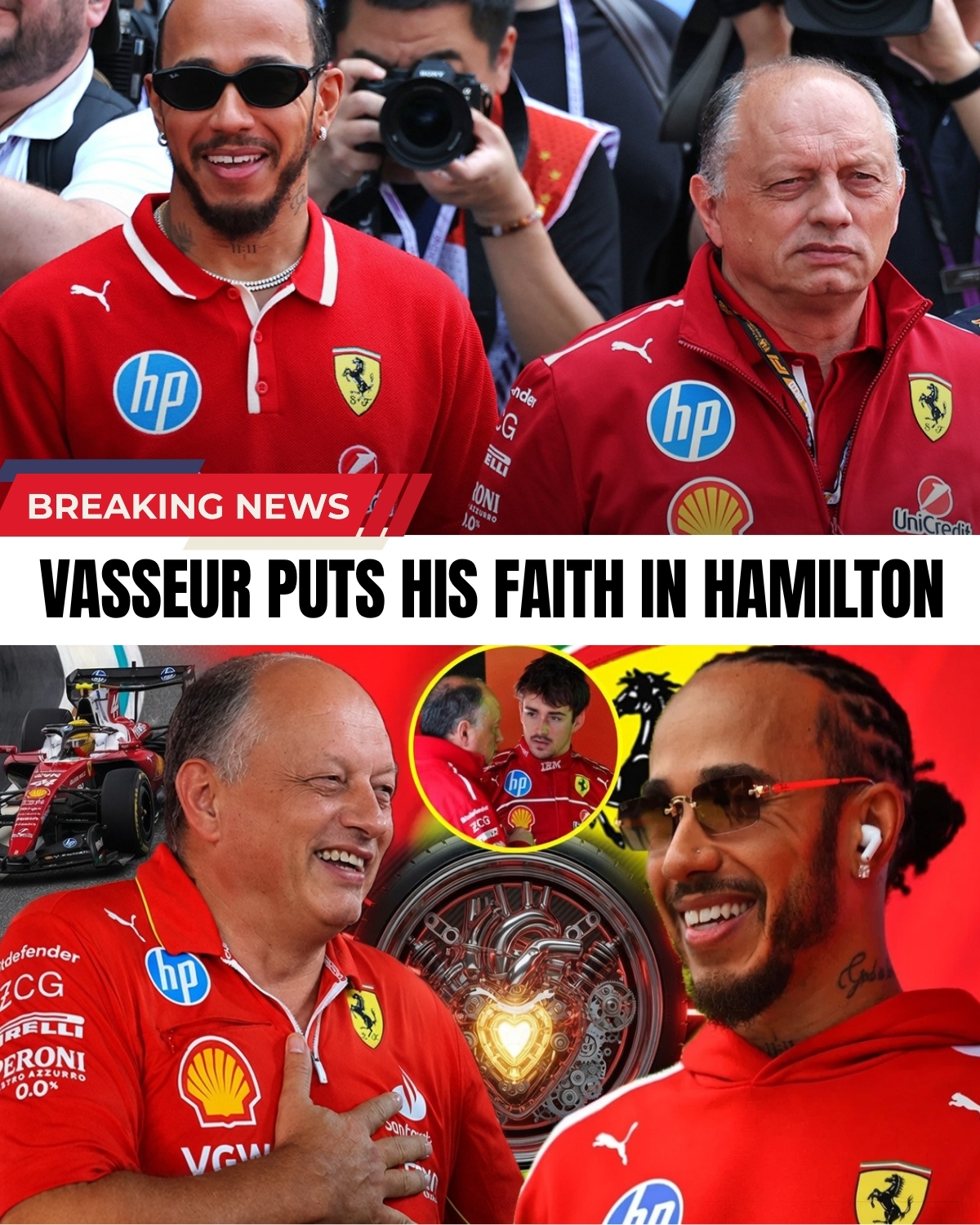

The current developments within Ferrari, particularly under the leadership of Fred Vasseur, have begun to shift the dynamics of the team, especially in relation to Lewis Hamilton’s integration into the Scuderia. Historically, Ferrari has faced challenges stemming from internal politics and a culture that often hindered its championship aspirations. Vasseur’s appointment has signaled a potential turning point, as he adopts a pragmatic approach aimed at streamlining operations and enhancing team cohesion.

Vasseur’s management style contrasts sharply with the traditional hierarchies that have characterized Ferrari. Reports indicate that he has prioritized creating an environment where Hamilton’s input is valued. This shift could be pivotal, as Hamilton joined Ferrari not merely for its prestige but to pursue a championship-winning ethos that has eluded the team for years. Vasseur’s willingness to adapt Ferrari’s structure to accommodate Hamilton’s competitive spirit is viewed as a significant recalibration within the organization.
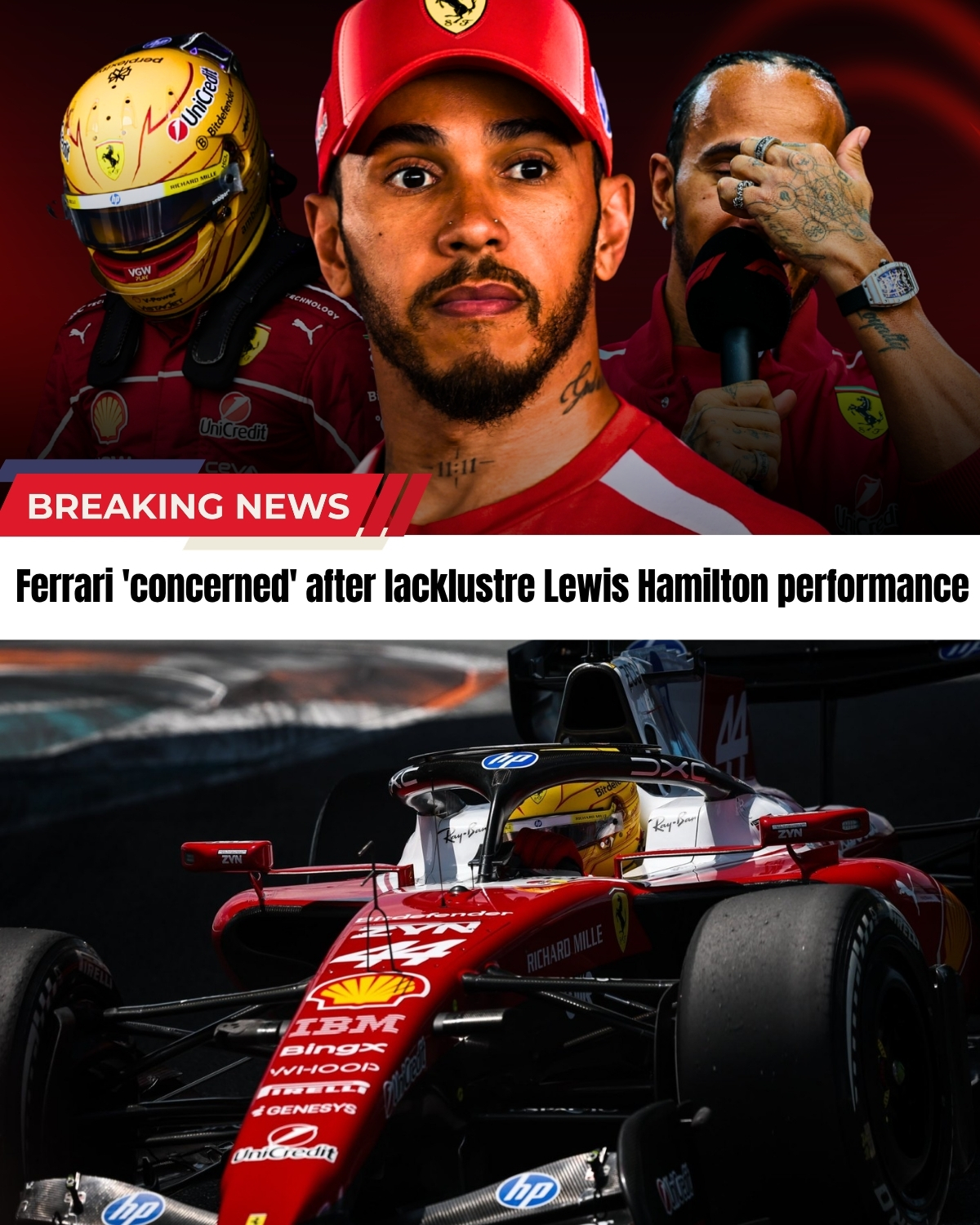
According to sources, the evolving relationship between Hamilton and Ferrari is reflected in the technical development of the SF26 car, which is reportedly being tailored to suit Hamilton’s driving style. The emphasis on characteristics such as front-end stability and late braking control aligns with Hamilton’s preferences, a departure from the more erratic designs that have characterized past Ferrari models. This strategic pivot suggests that Ferrari may be prioritizing Hamilton’s insights as a foundation for its development trajectory moving forward.
The implications of this shift extend to Charles Leclerc, Ferrari’s previous golden boy and a driver with considerable emotional investment in the team’s success. While Leclerc has performed admirably, outscoring Hamilton in the previous season, the presence of Hamilton has introduced a competitive tension that may challenge Leclerc’s status within the team. Vasseur appears willing to make decisions based on performance rather than sentiment, which could reshape the dynamics within the team and influence future race strategies.
The technical adjustments being made to the SF26 are reportedly inspired by Hamilton’s feedback, marking a significant change in Ferrari’s development philosophy. This approach has the potential to enhance the car’s overall performance and could yield competitive advantages in upcoming races. The evolving focus on Hamilton’s input rather than a more traditional hierarchy reflects a broader strategic alignment aimed at maximizing the team’s championship potential.
Leclerc has expressed admiration for Hamilton, noting that he has analyzed Hamilton’s preparation and driving techniques as part of his own learning process. This acknowledgment indicates a shift in the internal dynamics at Ferrari, where Hamilton’s experience and success are increasingly recognized as valuable assets. Leclerc’s ambition to win a championship with Ferrari remains strong, but the changing landscape within the team presents new challenges.
Hamilton has also been vocal about the need for drivers to have a more influential role in discussions regarding regulatory changes in Formula 1. He has advocated for greater collaboration between the FIA and drivers, emphasizing that their insights could lead to improvements in the sport. Hamilton’s calls for a seat at the table reflect a push for more inclusive decision-making processes that could ultimately enhance the competitive landscape of Formula 1.
As Ferrari continues to adapt its strategies and structures, the potential for a more formidable team emerges. If Vasseur’s approach successfully integrates Hamilton’s strengths while also maintaining Leclerc’s competitive edge, Ferrari could transform into a serious title contender. The broader implications of these developments suggest a shift in Ferrari’s identity, moving from a historically fragile team to one that embraces a future of confident competitiveness.
The results of these changes are being closely monitored not only within Ferrari but across the entire Formula 1 grid. If the collaboration between Vasseur and Hamilton yields the expected results, it could alter the competitive balance within the sport. The prospect of a Ferrari that operates with clarity and purpose raises questions about how rivals will respond to this revitalized approach.
Ferrari’s historical challenges have often stemmed from its inability to leverage its resources effectively. With Vasseur at the helm and Hamilton’s input shaping the team’s direction, there is potential for the Scuderia to break free from its past constraints. The combination of a focused leadership style and a driver with a proven track record could mark the beginning of a new era for Ferrari, one that aspires not just to compete, but to win consistently.
As the 2026 season unfolds, the performance of the SF26 and the collaboration between Hamilton and Ferrari will be under scrutiny. The implications of Vasseur’s leadership and Hamilton’s integration into the team could have lasting effects on both drivers’ careers and the team’s legacy in Formula 1.