

In a dramatic turn of events, Toney Yayo, the iconic figure from G-Unit and a notable name in hip-hop, has found himself at the center of a shocking story emerging from a dice game. The tale unfolded recently when rapper Domination, who has deep ties to the G-Unit family, shared explosive details during an interview on Cam Capone News. What was supposed to be a casual night of gambling escalated into chaos, leaving many to raise eyebrows and question the implications of such an incident for Yayo’s storied reputation.
The narrative kicks off in the gritty backdrop of South Jamaica, Queens, where Marvin Bernard—better known as Toney Yayo—was born and raised. The streets of South Jamaica are notorious, with a history steeped in struggle and survival. Yayo’s upbringing in this environment shaped him into the man he is today, a rapper who rose to fame alongside legends like 50 Cent and Lloyd Banks. However, the allure of street life has a way of sticking with you, and Yayo has often spoken about how the culture of gambling and dice games was prevalent in his youth.
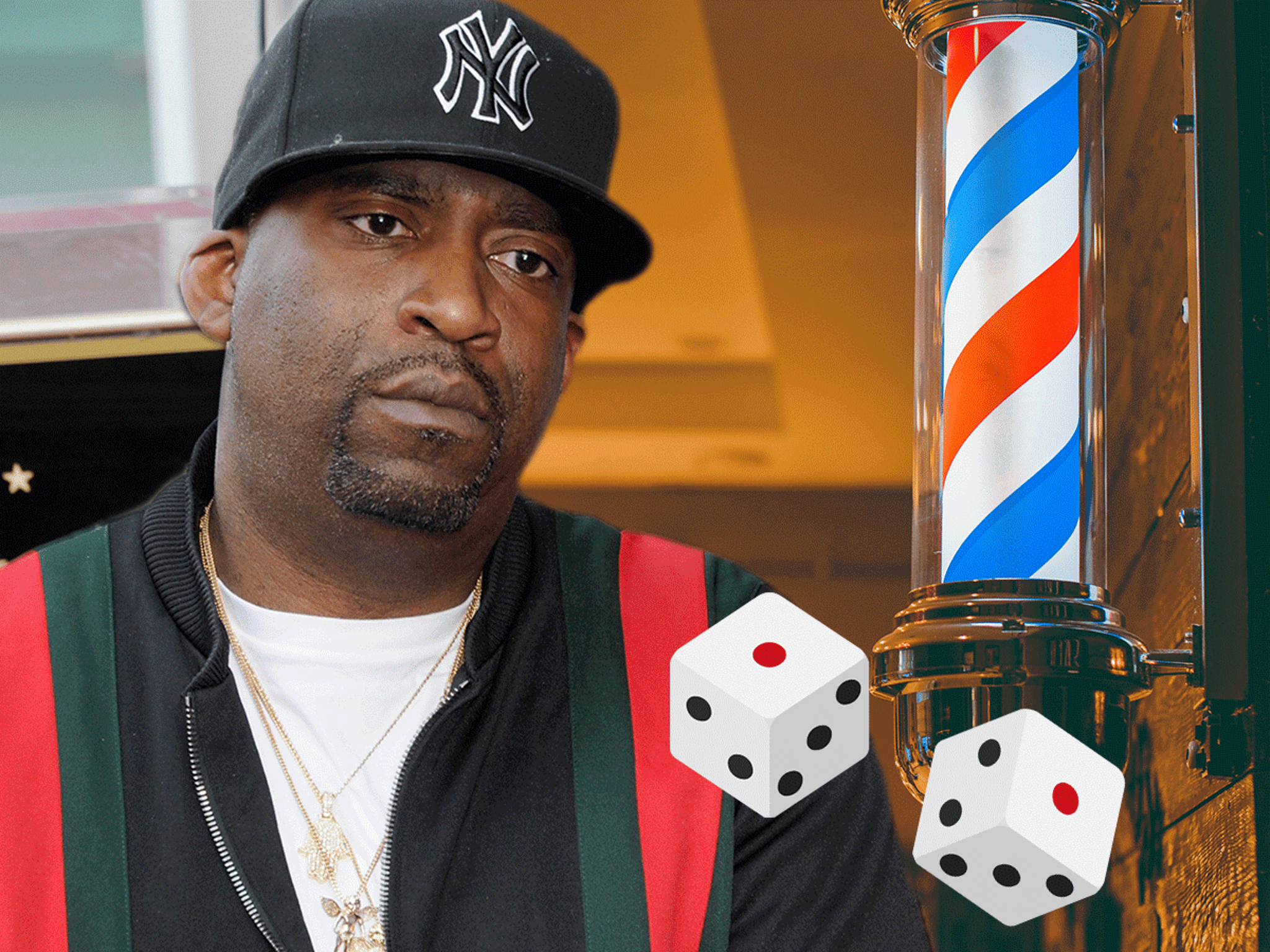
Fast forward to the present day, where Domination recounts a specific incident that allegedly took place at a dice game involving Yayo. According to him, things took a dark turn when Yayo got smacked during the game. What followed was nothing short of a Wild West scenario, with guns drawn and chaos erupting in the heart of New York City. This revelation has left fans and critics alike buzzing with questions about Yayo’s current standing and what this means for his legacy.
Now, Domination is not just any random voice in the crowd; he has history with Yayo and was part of the same street culture that shaped their lives. When Domination spoke of Yayo, he made it clear that their paths crossed back in the day, devoid of any glorified narrative. This context is crucial as it paints a picture of Yayo not just as a hip-hop star, but as an ordinary hustler trying to navigate the same tough streets they all grew up on.
As the story spread like wildfire, many took to social media to discuss the implications of such an event. Critics have emerged, some claiming Domination might be seeking attention and exaggerating the situation. Yet, the specifics he provided about the chaotic aftermath of the dice game lend credibility to his account. It’s a reminder that the streets have memories and receipts that can come back to haunt those who’ve tried to move on.
In the wake of these revelations, the question on everyone’s lips is: How will Toney Yayo respond? As of now, he has remained silent on the matter, which could be interpreted in several ways. Perhaps he feels the story is not worth addressing, or maybe he’s choosing to let the dust settle before making any comments. Silence can often be a powerful strategy in the world of hip-hop, where every response can influence public perception.
Yet, the tension between Yayo’s past and present looms large. He has openly discussed the complexities of street life and the pressures from the music industry to maintain a certain image. The story told by Domination does not necessarily clash with Yayo’s narrative, but it does add layers to it—layers that may not reflect the polished image that G-Unit worked hard to build.
While the dice game incident may seem like just another tale from the streets, it speaks to a larger issue within the hip-hop community—the struggle between authenticity and image. For many artists, the challenge lies in navigating their past while trying to maintain a successful career. Yayo’s legacy as part of G-Unit is firmly established, but moments like this can chip away at that reputation if not addressed.
Despite the controversy, Toney Yayo remains active in the industry, co-hosting a podcast and recently announcing a revival of G-Unit sneakers. His ability to stay relevant speaks volumes about his resilience and connection to the culture. As he continues to engage with fans and share his story, the question remains whether he will confront the claims made by Domination or let them fade into obscurity.
As this saga unfolds, it serves as a stark reminder that the streets you come from never really leave you, and the stories they hold can emerge at the most unexpected times. Whether Toney Yayo will address these allegations remains uncertain, but what is clear is that the world of hip-hop is always watching, always listening, and ready to dissect the narrative that surrounds its icons. So, what do you think? Will Yayo choose to respond, or will he let the story speak for itself? The answer might just shape the way we view his legacy moving forward.